HOT PRODUCT | LOW STOCK
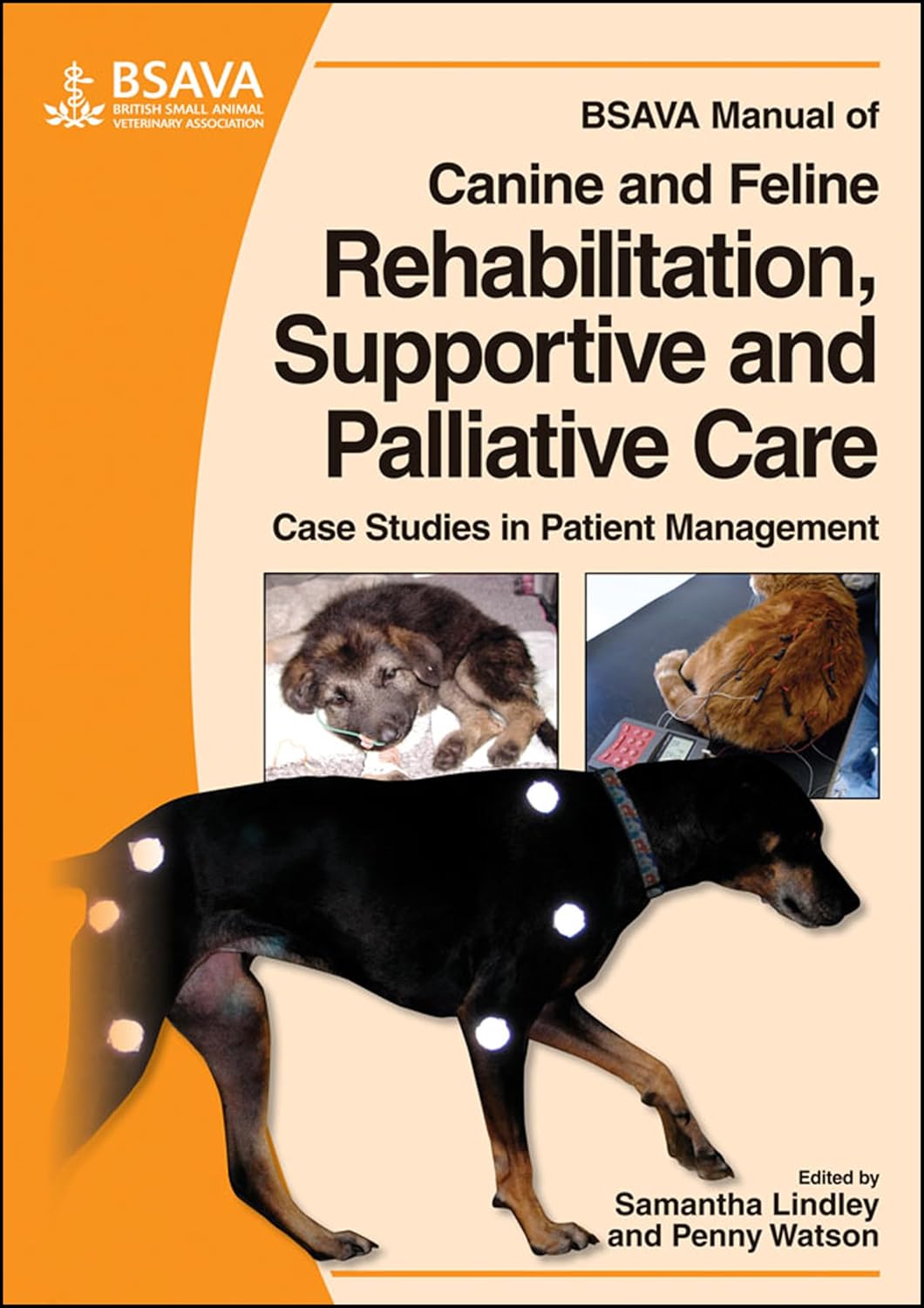
BSAVA Manual of Canine and Feline Rehabilitation, Supportive and Palliative Care: Case Studies in Patient Management 1st Edition
BSAVA Manual of Canine and Feline Rehabilitation, Supportive and Palliative Care: Case Studies in Patient Management 1st Edition
 9,647 Reviews
Regular price
$21.75
Sale price
$21.75
Regular price
$29.00
Unit price
per
🎁 Black Friday Exclusive — Get -50% Instantly!
🚚 Free shipping on all orders
💯 [30]-day satisfaction guarantee
Couldn't load pickup availability
Order now and get it within 2 minutes via instant download.
Your Essential Guide to Veterinary Rehabilitation and Supportive Care
This NEW Manual is aimed at the whole veterinary team, focusing on how to help companion animals achieve the fullest function and quality of life possible after surgery, trauma, or disease. It is a truly innovative resource that blends scientific principles with practical application to manage chronic conditions effectively.
Key Features
- Principles of Care: Part One thoroughly discusses the principles of rehabilitation, supportive, and palliative care. It explores the science behind pain and its management, clinical nutrition, and physical therapies, reviewing clinical applications with reference to published evidence.
- Innovative Case Studies: Part Two presents a collection of Case Studies across a range of canine and feline patients—from discospondylitis to glaucoma in dogs and from triaditis to leg amputation in cats.
-
Multidisciplinary Management: Every case study includes an expert assessment of:
- Acute and chronic pain management
- Fear, stress, and conflict concerns
- Nutritional requirements
- Physiotherapy and Hydrotherapy
- Acupuncture
- Nursing and supportive care
- Owner advice and homecare recommendations
- Holistic Patient Focus: The book supports the entire practice team in managing the complex needs of patients who are surviving what would once have been rapidly fatal conditions.